
Everything-Claude-Code 2026 Guide: Claude AI for Work
- Ubaid Rehman
- July 10, 2026
- AI Tools
- Affaan-m/everything-claude code, calude trial, claude code sessions, claude get shit done, Everything Claude Code (ECC), Everything claude code github mustafa, Everything Claude Code plugin, Everything-claude code GitHub, Everything-Claude Code repo, everything-claude-code, How to use everything Claude Code, Install everything-Claude Code
- 0 Comments
Claude is an AI assistant made by Anthropic, and I use it as a practical helper for writing, coding, research, and planning. In this guide, I explain everything-claude-code in plain words, without hype or hard terms. I will also cover calude trial, claude code sessions, and the phrase claude get shit done, because many users search these terms before they try Claude. My goal is simple. I want to help you understand what Claude can do in 2026, which model may fit your needs, and how to use it safely. I also share real use cases, pricing notes, GitHub search terms, and tips for better prompts. If you write blog posts, build apps, study topics, or manage tasks, Claude can save time. Still, you must check facts, protect private data, and use trusted sources.

What everything-claude-code Means for Claude Users in 2026
When I say everything-claude-code, I mean the full set of ways Claude helps with code, text, data, and daily work. Claude is not only a chatbot. It can review code, explain bugs, draft emails, summarize reports, and help build clear plans. Many people also search Everything Claude Code (ECC), Everything-Claude Code repo, and Everything-claude code GitHub when they want coding tools linked to Claude. However, I always check the source before installing any repo or plugin. A search result can look useful, yet it may not be safe. So, I treat Claude as a smart partner, not a magic fix. I ask clear questions, review the output, and test code before using it in live projects.
Claude Features: Writing, Coding, Research, and Problem Solving
The best part of everything-claude-code is how well Claude handles long tasks with clear context. For writing, it can draft outlines, rewrite weak sections, and improve flow. For coding, it can explain errors, write test cases, and refactor small files. For research, it can help compare sources, summarize notes, and build checklists. For problem solving, it can break a large task into small steps. If you are trying a calude trial, start with simple tasks first. Then move to harder work after you trust the results. Claude works best when I give it goals, rules, examples, and limits. This keeps the answer focused and easier to check.
- Writing help: Claude can draft posts, emails, scripts, and product pages. I still edit the final copy for tone and facts.
- Coding help: Claude can explain errors and suggest fixes. I always test the code before I deploy it.
- Research help: Claude can organize notes and compare ideas. I still verify claims with trusted sources.
- Planning help: Claude can turn big goals into simple steps. This helps when a project feels messy.
Claude Models and How I Choose the Right One
In 2026, everything-claude-code depends a lot on choosing the right Claude model. Some models are better for deep reasoning, while others work well for speed and lower cost. I use stronger models for complex code, long reports, and careful analysis. I use faster models for quick drafts, short summaries, and simple edits. If you run claude code sessions often, model choice matters because long sessions can use more tokens. A strong model may cost more, yet it can save time on hard tasks. A lighter model may be enough for routine work. Before you pick, review the official model page and compare limits, context size, tool support, and pricing.
| Use Case | Best Model Type | Why It Helps |
|---|---|---|
| Long research notes | High context model | It can read more text and keep track of details. |
| Debugging code | Reasoning-focused model | It can trace logic and explain likely causes. |
| Quick content drafts | Fast model | It gives useful drafts with less waiting time. |
| Daily admin work | Balanced model | It offers a good mix of speed and quality. |
Claude Pricing, calude trial, and Account Options
Pricing can change, so I never treat old screenshots as final. For everything-claude-code planning, I check Anthropic’s official pricing page before I budget. A calude trial may appear in searches, but users often mean Claude trial. If a trial is available in your region, use it to test real tasks, not random prompts. Try one writing task, one research task, and one coding task. This gives you a fair view of value. Paid plans can help if you need higher limits, better models, or steady access. Teams may need API pricing, admin controls, and data rules. You can review official details on the Anthropic Claude page.
For my own workflow, I compare cost against time saved. If Claude saves two hours on a weekly report, the cost may make sense. If I only need one short answer each month, a free or trial option may be enough. This is why everything-claude-code should start with your use case, not the plan name. Also, avoid sharing private client files unless your plan and company rules allow it. Check data settings, retention rules, and team controls. If you use the API, track usage from day one. Small tests can grow fast when apps send many requests.
claude code sessions: How I Use Claude for Real Coding Work
Claude code sessions work best when I treat them like pair work with a careful junior developer. I give Claude the goal, the current code, the error message, and the expected result. Then I ask for a short plan before any code changes. This keeps everything-claude-code practical and easy to review. For example, if my login form fails, I paste the error and ask Claude to list likely causes. After that, I ask for one fix at a time. This method prevents large, risky changes. It also helps me learn from the answer, instead of copying code without thought.
- Start with context: Share the language, framework, file purpose, and error. Claude gives better answers when it knows the setup.
- Ask for a plan first: A short plan helps catch wrong ideas early. It also makes the code review easier.
- Request small changes: Small fixes reduce risk. They also make bugs easier to trace.
- Run tests after each step: Never trust generated code without tests. Your app and users deserve careful checks.
How to Use everything-claude-code for Safer Debugging
For safer debugging, I keep everything-claude-code focused on one issue at a time. I do not paste a full private codebase into any AI tool. Instead, I remove secrets, trim files, and share only the needed parts. If I use claude code sessions for a bug, I ask Claude to explain the cause in simple terms. Then I ask for a test case that proves the fix works. This helps me avoid random edits. It also creates better notes for my team. When Claude suggests a package, I check its source, license, and recent updates. Safe coding habits matter more than quick answers.
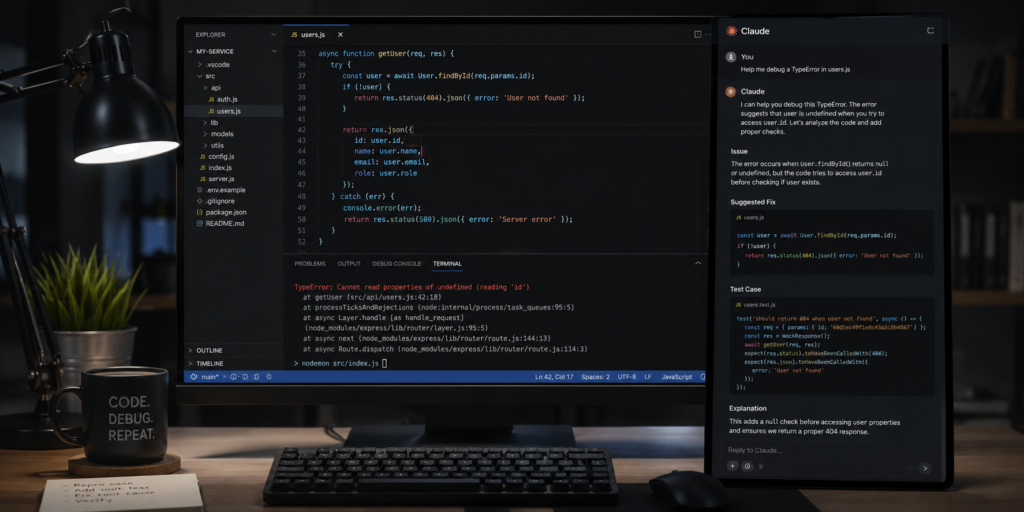
claude get shit done: Practical Workflows That Save Time
The phrase claude get shit done sounds rough, but it points to a real need. People want AI that helps finish tasks, not just chat. For me, everything-claude-code works best with a simple workflow. I write the task, add the deadline, set the format, and ask for the first draft. Then I review, edit, and ask for a cleaner version. This helps with blog outlines, project plans, client emails, study notes, and code reviews. However, I do not let Claude make final choices alone. I use it to speed up work, while I stay responsible for accuracy, privacy, and tone.
- Blog planning: I ask Claude for an outline, title ideas, and reader questions. Then I add my own examples and facts.
- Meeting notes: I turn rough notes into tasks, owners, and deadlines. This makes follow-up much easier.
- Code review: I ask Claude to find risks, missing tests, and unclear logic. Then I compare its notes with my own review.
- Learning support: I ask for simple examples and quizzes. This helps me understand hard topics faster.
Everything Claude Code GitHub Searches, Plugins, and Repo Safety
Many users search terms like Everything-claude code GitHub, Everything Claude Code plugin, Affaan-m/everything-claude code, Everything claude code github mustafa, Install everything-Claude Code, and Everything-Claude Code repo. I include these terms because they appear in related searches. Still, I do not suggest installing any tool without careful checks. For everything-claude-code tools, check the repo owner, commit history, issues, license, and code. Also scan for hardcoded keys, unknown scripts, and risky install steps. If a plugin asks for broad access, stop and review it. GitHub can host great tools, but it can also host unsafe code. Trust comes from proof, not from a popular name.
If you want to learn How to use everything Claude Code from a repo, start in a test folder. Do not run it on your main project first. Read the README, check open issues, and confirm the install command. If the project uses Claude API keys, store them in environment files, not in code. For safer setup, create a new branch and back up your files. This keeps everything-claude-code experiments from harming live work. If you need more AI coding guides, you can also read my internal guide on Claude vs ChatGPT for coding.
Best Prompt Patterns for everything-claude-code
Good prompts make everything-claude-code much more useful. I avoid vague prompts like “fix this” or “make it better.” Instead, I give a role, goal, inputs, limits, and output format. For example, I might say, “Act as a senior JavaScript reviewer. Find bugs in this function. Return a table with issue, risk, and fix.” This gives Claude a clear path. If I use calude trial for testing, I save my best prompts in a notes app. Later, I reuse them for writing, debugging, and research. Prompt quality matters because Claude follows the instructions you give. Clear input leads to clearer output.
Here is a prompt style I use often: “I need help with [task]. My goal is [goal]. My audience is [audience]. Use this format [format]. Ask questions if details are missing.” This keeps everything-claude-code simple and repeatable. For coding, I add the language, version, framework, and error logs. For writing, I add tone, word count, keywords, and examples. For research, I ask Claude to separate facts, assumptions, and open questions. That small step helps avoid weak claims. After each answer, I ask, “What could be wrong here?” This makes Claude check its own work and improves the final result.
Privacy, Accuracy, and Safe Use Rules
Safety matters in every everything-claude-code workflow. I do not paste passwords, private keys, client data, health records, or legal files into AI tools without approval. I also avoid using Claude as the only source for facts. AI can make errors, even when the answer sounds confident. So, I verify claims with official docs, trusted sites, or direct tests. For code, I run tests and review changes. For content, I check dates, names, numbers, and quotes. For business work, I follow company rules. These habits keep AI useful without creating risk. Claude can help a lot, but human review stays necessary.
Claude for Writers, Students, Developers, and Small Teams
I like everything-claude-code because it fits many types of users. Writers can plan posts, improve drafts, and create clear summaries. Students can ask for simple lessons, examples, and study plans. Developers can debug code, write tests, and understand new tools. Small teams can create meeting notes, support replies, and project checklists. If your team uses claude code sessions, set shared rules for code review and data safety. If your focus is content, set brand tone and fact-check steps. Claude works best when people give it structure. It does not replace skill, but it helps skilled people move faster.
Common Mistakes I Avoid with everything-claude-code
The biggest mistake with everything-claude-code is trusting output too fast. I see users copy code, publish text, or accept facts without review. That can cause bugs, weak content, or false claims. Another mistake is giving too little context. Claude cannot read your mind, so you must explain the goal and limits. Some users also run unknown plugins without checking them. That is risky, especially when API keys are involved. I also avoid long mixed prompts with many tasks. A short task usually gets a better answer. When I need a big result, I split it into steps and review each step.
Conclusion: My Final View on everything-claude-code in 2026
Claude is a strong AI assistant for people who want better writing, smarter coding help, and faster research. In 2026, everything-claude-code is less about one tool and more about a careful way to work. Use Claude with clear prompts, safe data habits, and steady review. Try a calude trial if it is available, run focused claude code sessions, and build a workflow that helps you finish real tasks. The phrase claude get shit done may sound casual, but the idea is useful. Claude can help you move from messy notes to clear action. Still, you stay in charge. Check facts, test code, and use trusted sources.
FAQs About everything-claude-code, Claude Tools, and 2026 Use
What is everything-claude-code?
everything-claude-code means a full practical view of using Claude for writing, coding, research, and daily tasks. It can also refer to searches around Claude coding tools, plugins, and GitHub repos.
Is calude trial the same as Claude trial?
Most people who search calude trial likely mean Claude trial. Always check Anthropic’s official site for current trial details, prices, and account options.
What are claude code sessions?
claude code sessions are focused coding chats with Claude. You can use them to debug, review code, write tests, and plan small changes.
Can Claude help me get more work done?
Yes, Claude can help with drafts, summaries, code fixes, and task plans. Many users describe this as claude get shit done because it supports real output.
Is Everything Claude Code plugin safe to install?
Check the source first. Review the owner, code, license, issues, and install steps before you use any Everything Claude Code plugin or related repo.
Where can I find official Claude details?
You can visit Anthropic’s official Claude page for model, plan, and product updates. Use official docs when accuracy matters.